

In a world where operational costs and capital investment pressures continue to rise across industries, innovative resource‑sharing paradigms have taken center stage. One such paradigm gaining attention is Maschinenring Mining, a model inspired by the traditional Maschinenring cooperative from the agricultural sector. While this concept is still emerging within industrial circles, Maschinenring Mining offers powerful potential to reshape how mining firms manage heavy equipment, labor, and project execution through collaboration and shared resources.
Maschinenring Mining emphasizes joint access to machinery, pooled expertise, and collective planning. Unlike conventional leasing or rental strategies that often burden smaller operations with inflexible terms and high expenses, this cooperative approach aims to democratize industrial assets—making them more accessible, cost‑effective, and sustainably utilized. As competition intensifies and environmental pressures mount, understanding the strengths and limitations of this model becomes critical for executives, procurement professionals, and industry innovators alike.
Quick Bio
| Attribute | Details |
|---|---|
| Name | Industrial Resource Management Expert |
| Expertise | Cooperative Business Models, Mining Operations, Heavy Machinery Utilization |
| Experience | Extensive knowledge in implementing resource-sharing strategies across industries |
| Focus Areas | Cost efficiency, operational optimization, sustainability, collaborative frameworks |
| Achievements | Advises on emerging models like Maschinenring Mining for efficiency and growth |
| Skills | Strategic planning, governance frameworks, regulatory compliance, risk management |
| Industry Impact | Supports smaller and mid-tier companies to access high-capital equipment effectively |
Understanding Maschinenring Mining
What Is Maschinenring Mining?
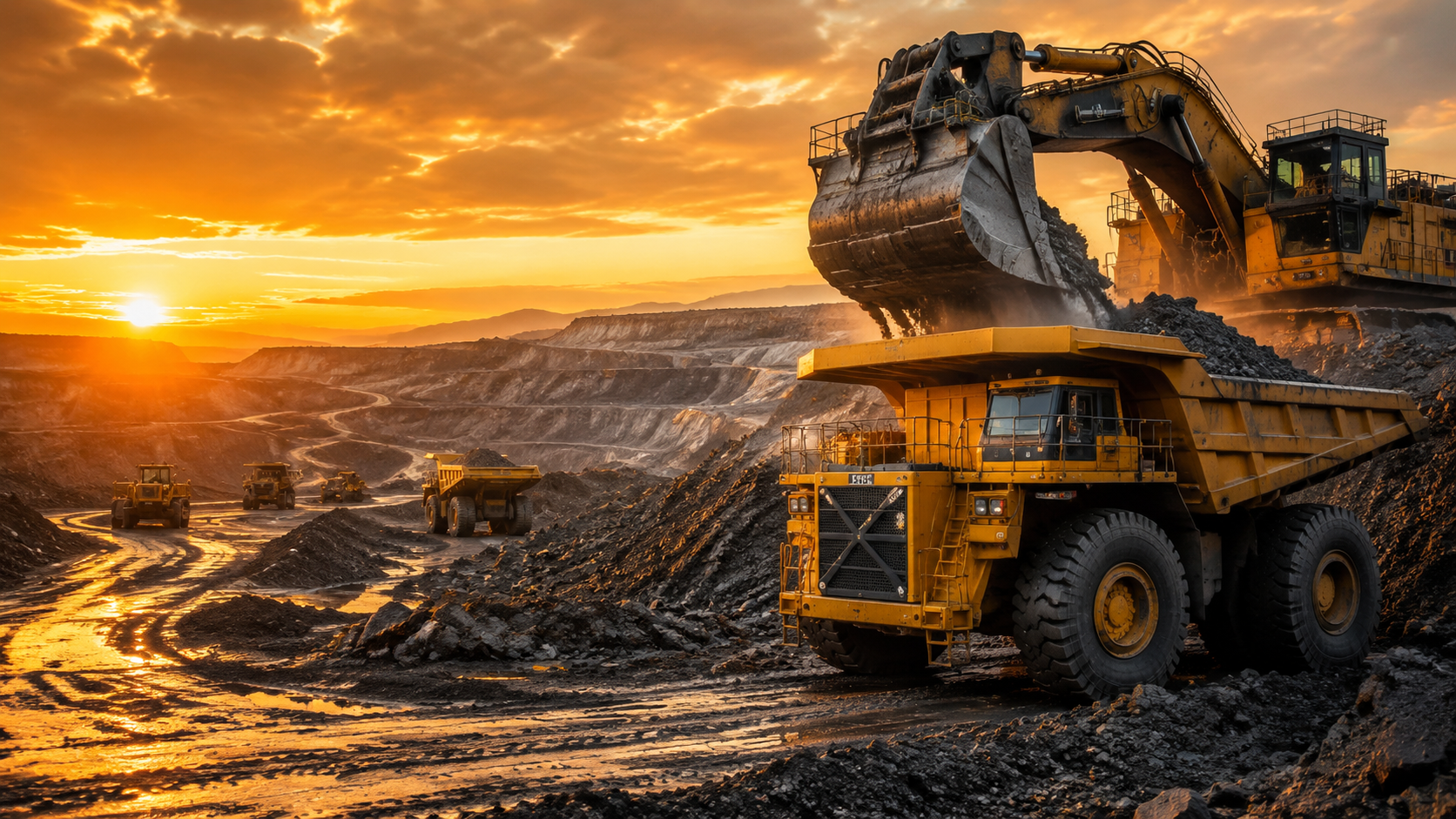
Maschinenring mining refers to a cooperative model adapted from the Maschinenring concept originally established in European agriculture. Historically, Maschinenring organizations enabled farmers to share expensive machinery and workforce resources, reducing individual overhead and maximizing equipment utilization. Applied to mining, the model envisions mining companies forming alliances to pool heavy machinery such as drills, excavators, haul trucks, and other capital assets for shared access.
This strategy can be particularly valuable for exploration companies, mid‑tier mining operators, and contractors that face fluctuating project demands. By coordinating shared utilization schedules and collectively maintaining equipment, participating firms can reduce idle time, distribute costs equitably, and build operational resilience.
How It Works in Practice
In a typical maschinenring mining arrangement, partner companies enter a cooperative agreement with clearly defined rules on contribution, usage rights, maintenance responsibilities, and cost‑sharing. Members may contribute machinery or capital, and in return, gain proportional access based on an agreed formula. A governing committee or central coordination team often facilitates scheduling, compliance oversight, and conflict resolution.
This setup fosters transparency, predictable budgeting, and efficient resource allocation. Because assets are shared rather than individually owned, companies can avoid redundant capital expenditures and focus their financial strength on value‑creating activities like exploration, processing optimization, or technological upgrades.
Benefits of Maschinenring Mining
Cost Efficiency and Capital Relief
One of the most compelling advantages of maschinenring mining is its capacity to relieve capital strain. Heavy mining machinery often represents a significant portion of a mining operation’s fixed costs, with depreciation and maintenance quickly adding up. Shared access through a cooperative mechanism spreads these costs across multiple participants, lowering barriers to entry for smaller firms and reducing overall capital lock‑in for all members.
This collaborative financial model can provide stability during cyclical downturns or periods of low commodity prices when full‑time equipment ownership becomes a financial risk. In this way, maschinenring mining supports financial resilience and encourages sustainable investment planning.
Enhanced Resource Utilization
Idle machinery is a common challenge in mining. Equipment may sit unused between project phases or during seasonal shutdowns. Through maschinenring mining, this idle capacity becomes a shared asset. Better scheduling ensures that machines remain productive longer, maximizing value for all stakeholders.
Moreover, cooperative planning encourages optimized deployment across different sites and projects. This improves operational logistics and reduces the carbon footprint associated with underutilized assets—a growing concern in an era of heightened focus on environmental responsibility.
Knowledge Sharing and Skill Development
Beyond physical assets, maschinenring mining facilitates the sharing of expertise and best practices. Participating firms can exchange knowledge about equipment performance, safety practices, and innovative techniques. This intellectual collaboration can elevate industry standards and promote skill development among workers, leading to safer, more efficient operations.
Challenges and Potential Drawbacks
Coordination Complexity
Despite its promise, maschinenring mining is not without challenges. Coordinating schedules, maintenance responsibilities, and equitable cost divisions can be complex. Effective governance structures, transparent reporting, and strong leadership are essential to prevent disputes and ensure smooth collaboration. Poorly managed cooperatives can lead to dissatisfaction and operational conflict.
Cultural and Competitive Barriers
Mining companies often operate within highly competitive environments where proprietary advantage and confidentiality are paramount. Sharing resources may raise concerns about exposing strategic information or losing competitive edge. Overcoming these cultural barriers requires trust, robust legal frameworks, and clear communication to ensure all parties feel secure in the cooperative arrangement.
Regulatory and Legal Considerations
Depending on jurisdiction, maschinenring mining cooperatives may face legal and compliance obligations related to liability, taxation, and joint ownership of assets. Drafting cooperative agreements that align with local laws and industry standards necessitates careful legal expertise. Firms must anticipate these regulatory challenges to avoid costly disputes or compliance breaches.
Real‑World Implications and Industry Trends
Amplifying Sustainability Goals
Sustainability has become a priority for mining firms due to stakeholder pressure and regulatory mandates. Maschinenring mining can support environmental, social, and governance (ESG) objectives by maximizing machine utilization, reducing emissions associated with new equipment manufacturing, and encouraging shared responsibility for environmental management.
By collaboratively planning operations and maintenance, companies can reduce unnecessary duplication and lower their carbon footprint. This aligns with global sustainability goals and facilitates more responsible resource extraction practices.
Empowering Smaller and Mid‑Tier Firms
For small and mid‑tier mining companies, access to the latest technology and heavy equipment often lags behind larger competitors due to cost limitations. Maschinenring mining democratizes access, allowing these firms to participate more fully in large projects without incurring unsustainable costs. This can foster competition, innovation, and diversification within the sector.
Practical Steps to Implement a Maschinenring Mining Cooperative
Establish Clear Governance
Successful maschinenring mining cooperatives require well‑defined governance documents. These should outline membership criteria, financial contributions, maintenance obligations, usage scheduling protocols, and dispute resolution mechanisms. A central coordination team or committee helps maintain transparency and accountability.
Define Asset Valuation and Usage Metrics
Members must agree on how assets are valued and how usage time is measured. Transparent metrics prevent misunderstandings and ensure that cost sharing remains fair. Standardized reporting systems and digital tools can support scheduling and track utilization patterns.
Prioritize Safety and Compliance
Shared equipment still requires strict adherence to safety standards and manufacturer guidelines. A cooperative must implement unified safety protocols and ensure that all users are trained appropriately. Compliance documentation should be maintained diligently to meet regulatory expectations.
Read More: Hoptraveler.com – The Ultimate Guide to Exploring the World with Confidence
Conclusion
Maschinenring mining introduces a promising, cooperative alternative to traditional mining resource management. By fostering shared access to capital‑intensive machinery, promoting efficient utilization, and encouraging collective expertise exchange, this model offers strong potential to reduce costs and enhance operational flexibility—especially for smaller and mid‑tier firms.
However, effective implementation demands thoughtful governance, clear legal frameworks, and cultural alignment among participants. As the mining industry navigates economic volatility and sustainability expectations, innovative strategies like maschinenring mining will likely attract growing interest. Organizations that proactively explore collaborative resource models may find themselves better prepared for the challenges and opportunities of tomorrow’s industrial landscape.
FAQ (Frequently Asked Questions)
What exactly does “maschinenring mining” mean?
Maschinenring mining refers to a cooperative model where mining companies share heavy machinery and operational resources to lower costs, improve utilization, and distribute financial risk.
Is maschinenring mining already widely used in the mining industry?
No. While the model is inspired by successful agricultural cooperatives, its adoption in mining is still emerging and not yet standard industry practice.
What are the main benefits of maschinenring mining?
Key benefits include cost savings on capital assets, higher equipment utilization, shared expertise, and support for sustainability goals.
Are there risks associated with this cooperative model?
Yes. Challenges include coordination complexity, cultural resistance among competitive firms, and legal or regulatory considerations that require careful planning.
How can companies start a maschinenring mining cooperative?
Start by forming a governance framework, defining asset valuation and usage metrics, creating transparent scheduling systems, and ensuring safety and compliance standards are in place.