
The digital world is evolving rapidly, and mobile applications are no longer limited to performing single tasks. The rise of application mobile dualmedia has completely transformed how users interact with content, combining multiple media formats into one seamless platform. This innovation represents a powerful shift toward convenience, efficiency, and smarter digital experiences, yet it also brings certain challenges that developers and users must understand.
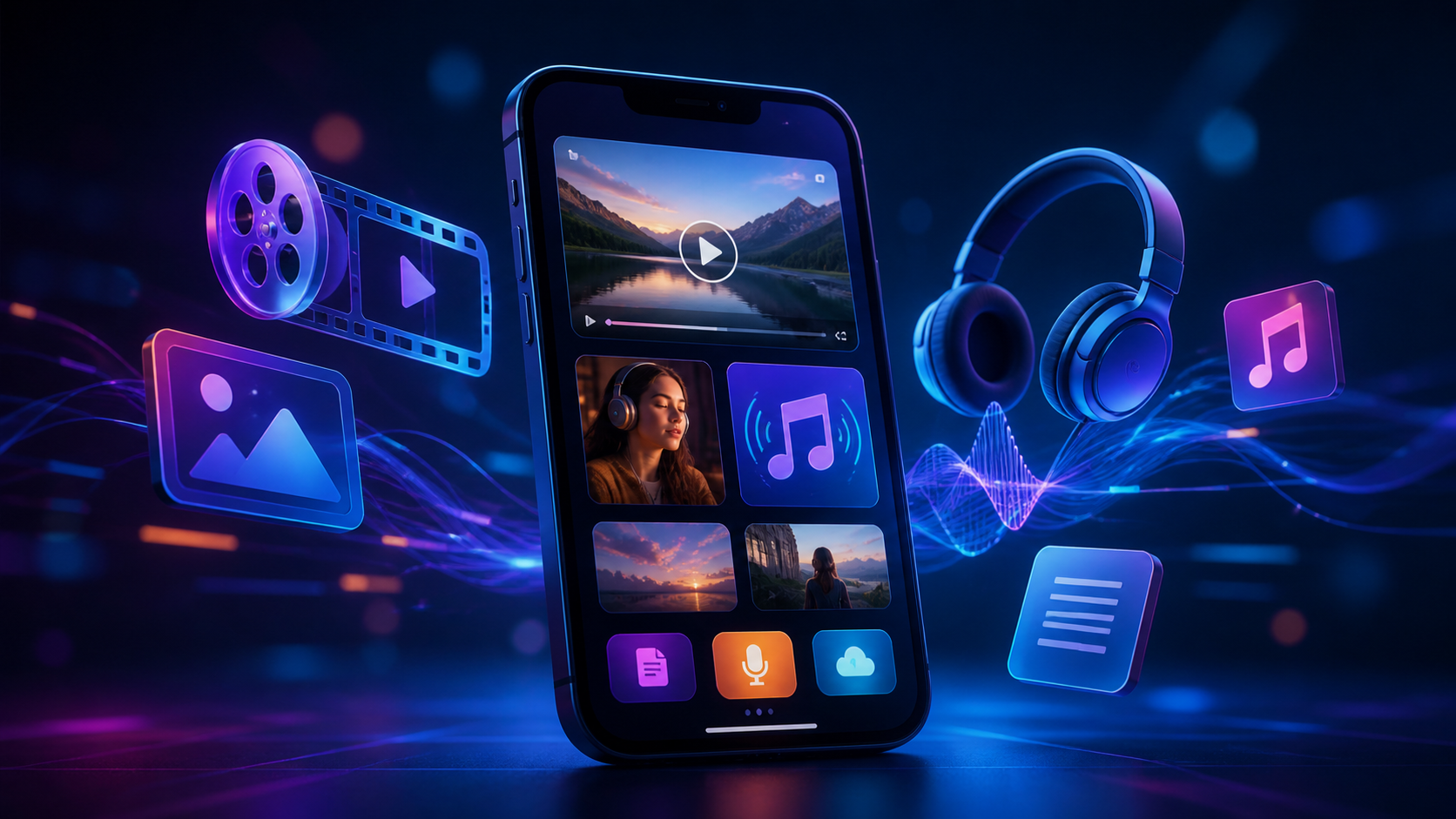
In today’s fast-paced environment, people demand apps that do more with less effort. The concept of application mobile dualmedia fulfills this demand by integrating video, audio, images, and text into one unified system. This not only enhances usability but also reduces the need to switch between multiple applications, making it a highly practical and future-focused solution.
Quick Bio
| Feature | Details |
|---|---|
| Concept Name | Application Mobile DualMedia |
| Category | Mobile Technology |
| Core Function | Multimedia Integration |
| Key Benefit | All-in-One Platform |
| Supported Media | Video, Audio, Images, Text |
| Usage Areas | Education, Entertainment, Business |
| Development Complexity | Moderate to High |
| Future Scope | High Growth Potential |
What is Application Mobile DualMedia?
Application mobile dualmedia refers to a modern type of mobile application designed to support and manage multiple forms of media within a single interface. Instead of relying on separate apps for different tasks, users can access everything from streaming videos to managing documents in one place. This unified approach simplifies digital interactions and improves overall efficiency.
The concept goes beyond basic multimedia support by focusing on seamless integration. It ensures that different media formats work together smoothly, allowing users to switch between them without interruptions. This creates a more engaging and productive experience, especially for individuals who rely heavily on digital tools for work or entertainment.
Core Concept and Functionality
Application mobile dualmedia is built on the idea of integration and synchronization. It combines various technologies such as cloud storage, real-time processing, and cross-platform compatibility to deliver a cohesive experience. These elements work together to ensure that users can access and manage content effortlessly.
The functionality is designed to prioritize user convenience. For example, a user can watch a video while taking notes or listen to audio content while browsing images. This level of flexibility makes dualmedia applications highly versatile and suitable for a wide range of use cases, from personal entertainment to professional productivity.
Key Features of Application Mobile DualMedia
Multimedia Integration
One of the most important features is the ability to handle multiple media formats simultaneously. This allows users to interact with different types of content without needing separate applications, making the experience more streamlined and efficient.
The integration is designed to be smooth and intuitive, ensuring that users do not face technical difficulties when switching between formats. This enhances usability and encourages longer engagement with the app.
Unified User Interface
A well-designed interface is essential for any application mobile dualmedia. These apps typically feature a centralized dashboard where all content and tools are easily accessible. This reduces confusion and improves navigation, especially for new users.
The simplicity of the interface does not compromise functionality. Instead, it enhances it by presenting complex features in an organized and user-friendly manner, making the app suitable for both beginners and advanced users.
Real-Time Synchronization
Real-time synchronization ensures that all data is updated instantly across devices. This is particularly useful for users who switch between smartphones, tablets, or other devices throughout the day.
This feature relies on cloud-based systems, which not only provide convenience but also improve data security and accessibility. Users can trust that their information is always up-to-date and available whenever they need it.
Content Creation and Sharing
Application mobile dualmedia is not limited to consuming content; it also enables users to create and share their own media. From recording videos to editing audio, these apps provide powerful tools for creativity and expression.
Sharing options are usually integrated directly into the app, allowing users to distribute content across different platforms. This makes dualmedia applications particularly valuable for content creators and digital marketers.
Benefits of Application Mobile DualMedia
Enhanced Productivity
By combining multiple functions into one platform, application mobile dualmedia significantly improves productivity. Users can perform various tasks without switching between apps, saving time and effort.
This is especially beneficial in professional environments where efficiency is crucial. Employees can manage tasks, communicate, and access resources all within a single application, leading to better performance and results.
Improved User Experience
The seamless integration of media formats creates a more enjoyable user experience. Users can interact with content in a natural and intuitive way, which increases satisfaction and engagement.
This improved experience also contributes to user retention. When people find an app easy to use and highly functional, they are more likely to continue using it over time.
Cost Efficiency
From a business perspective, application mobile dualmedia can reduce development and maintenance costs. Instead of creating multiple separate apps, companies can focus on a single, comprehensive solution.
This approach not only saves money but also simplifies updates and improvements. Developers can implement changes more efficiently, ensuring that the app remains competitive in the market.
Versatility Across Industries
The versatility of application mobile dualmedia makes it suitable for various industries, including education, entertainment, healthcare, and business. Each sector can benefit from the integration of multimedia features in different ways.
For example, educational apps can combine video lectures with interactive quizzes, while business apps can integrate communication tools with document management systems. This adaptability is one of the key strengths of dualmedia applications.
Challenges and Limitations
Despite its many advantages, application mobile dualmedia is not without challenges. One of the main issues is the complexity of development. Creating an app that seamlessly integrates multiple media formats requires advanced technical expertise and significant resources.
Another challenge is performance optimization. Handling large amounts of multimedia data can affect the app’s speed and responsiveness. Developers must carefully design the system to ensure smooth performance across different devices and network conditions.
Use Cases of Application Mobile DualMedia
Education
In the education sector, application mobile dualmedia can transform learning experiences by combining video lectures, audio explanations, and interactive materials. This creates a more engaging and effective learning environment.
Students can access all resources in one place, making it easier to study and stay organized. Teachers can also use these apps to deliver content in a more dynamic and interactive way.
Entertainment
Entertainment apps benefit greatly from dualmedia integration. Users can watch videos, listen to music, and interact with content without leaving the app. This enhances the overall entertainment experience.
The ability to combine different forms of media also opens up new possibilities for content creation and storytelling, making entertainment apps more innovative and engaging.
Business and Productivity
In business environments, application mobile dualmedia can improve communication and collaboration. Employees can share documents, conduct meetings, and manage tasks within a single platform.
This reduces the need for multiple tools and simplifies workflows, leading to increased efficiency and better teamwork.
Future Trends in Application Mobile DualMedia
The future of application mobile dualmedia looks promising, with advancements in artificial intelligence and machine learning expected to play a significant role. These technologies can enhance personalization, automate tasks, and improve overall functionality.
Another important trend is the increasing demand for cross-platform compatibility. Users expect apps to work seamlessly across different devices and operating systems, and dualmedia applications are well-positioned to meet this expectation.
Read More: Droven io AI Automation Tools – The Powerful Rise of Smart Automation with Hidden Limitations
Conclusion
Application mobile dualmedia represents a powerful evolution in mobile technology, offering a unified platform that combines multiple media formats into one seamless experience. It provides significant benefits in terms of productivity, user experience, and versatility, making it an essential tool in today’s digital landscape.
However, it also comes with challenges such as development complexity and performance optimization. Despite these limitations, the advantages far outweigh the drawbacks, and the future of dualmedia applications appears bright as technology continues to advance.
FAQ
What is application mobile dualmedia?
Application mobile dualmedia is a type of mobile app that integrates multiple media formats like video, audio, images, and text into a single platform.
Why is application mobile dualmedia important?
It is important because it improves efficiency and user experience by reducing the need to switch between multiple applications.
Where is application mobile dualmedia used?
It is used in various fields such as education, entertainment, business, and content creation.
What are the main benefits of application mobile dualmedia?
The main benefits include enhanced productivity, improved user experience, and cost efficiency.
What challenges does application mobile dualmedia face?
The main challenges include development complexity, performance optimization, and handling large multimedia data.