

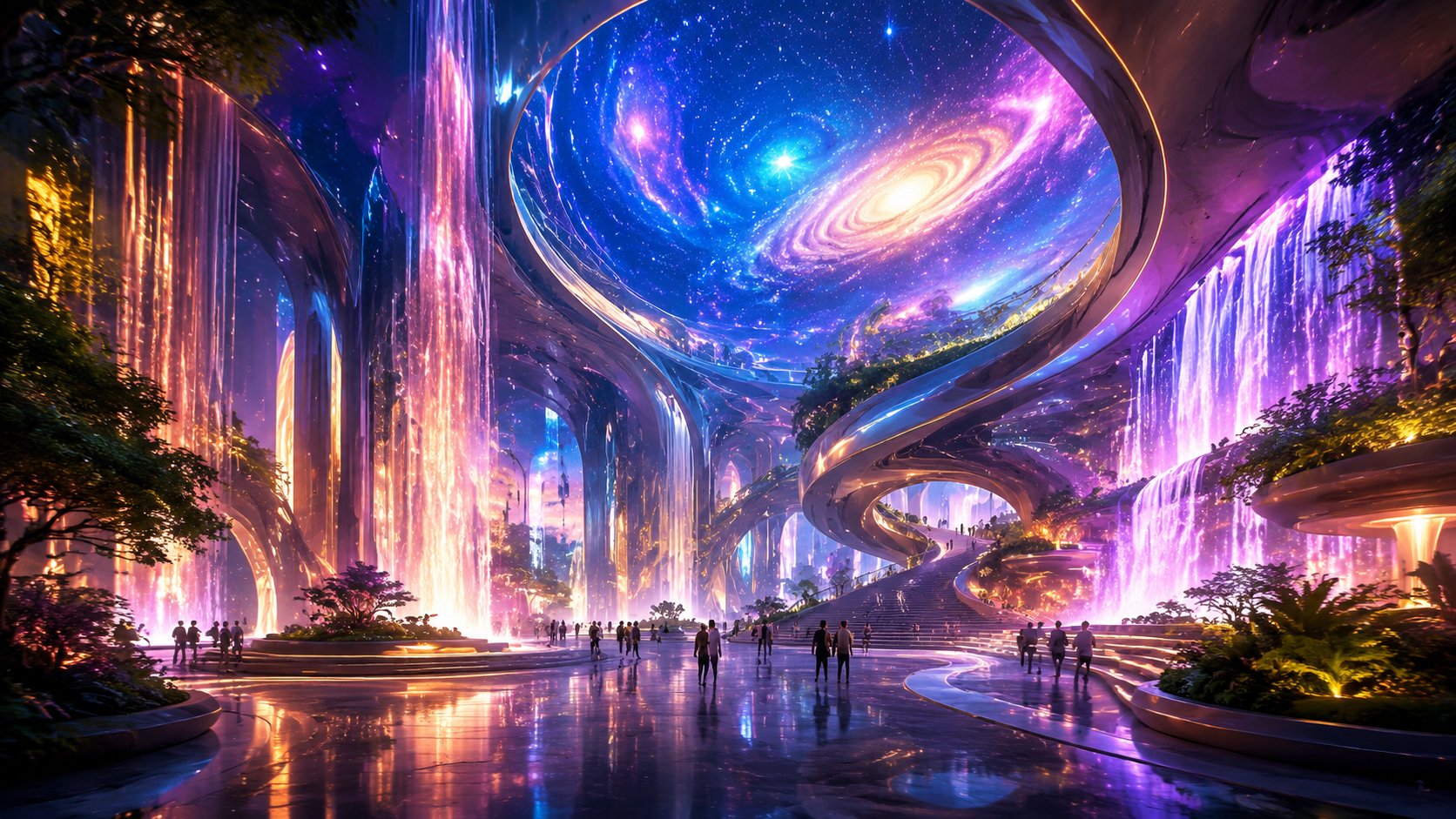
The rapidly evolving world of digital experiences and immersive entertainment, one term is gaining attention for its unique blend of creativity, technology, and audience engagement: spaietacle. This emerging concept is not just a trend; it represents a shift in how people interact with spaces, storytelling, and technology. Unlike conventional entertainment, a spaietacle goes beyond passive observation, inviting participants to step into a world where every element—from visuals and sound to interactivity and spatial design—creates a memorable, multi-sensory experience. While the term is still new and not universally defined, it is increasingly being associated with high-end digital activations, experiential marketing, virtual and augmented reality events, and futuristic public installations.
Spaietacle requires a closer look at its components, practical applications, and the reasons it is becoming a sought-after experience in both digital and physical domains. By exploring these aspects, businesses, creators, and enthusiasts can harness its potential to craft unforgettable experiences that leave a lasting impression.
What is Spaietacle?
Spaietacle is a combination of “space” and “spectacle.” It emphasizes immersive environments where participants do not merely watch but actively engage. The experience can take place in physical spaces, such as art installations, museums, or live performances, or in digital environments, including virtual reality worlds, interactive exhibitions, or augmented reality activations.
Spaietacle is more than a show; it is a multi-sensory journey that integrates sound, visuals, lighting, technology, and sometimes even scent or touch. The primary goal is to stimulate emotions, provoke thought, and encourage interaction. For instance, a spaietacle in a virtual museum might allow participants to navigate historical settings while interacting with digital artifacts, creating a learning experience that is both entertaining and deeply memorable.
This concept also emphasizes narrative design. Unlike traditional spectacles, which often focus solely on visual grandeur, a spaietacle blends storytelling with spatial intelligence and audience participation. In this way, every movement, every interaction, and every sensory cue contributes to a cohesive experience that can be tailored to different audiences.
The Role of Technology in Spaietacle
Technology is at the heart of spaietacle experiences. Modern innovations, such as virtual reality (VR), augmented reality (AR), projection mapping, spatial audio, and interactive sensors, allow creators to design environments that are dynamic, responsive, and highly engaging.
For digital events, VR headsets can transport audiences to entirely new worlds, while AR overlays can transform everyday spaces into interactive landscapes. Projection mapping allows walls, floors, and ceilings to become canvases, creating illusions that merge the real with the virtual. Spatial audio further enhances immersion by making sounds appear to come from specific directions, aligning with visual cues to heighten realism.
Despite its technological allure, spaietacle also has limitations. High costs, the need for technical expertise, and potential accessibility issues can create barriers for some audiences. Additionally, excessive reliance on technology may sometimes overshadow the storytelling aspect, making the experience feel more like a gimmick than a meaningful journey. Nevertheless, when balanced correctly, technology amplifies emotional impact and audience engagement, making spaietacle one of the most compelling forms of modern entertainment.
Applications of Spaietacle in Real Life
Spaietacle is not confined to entertainment alone; its applications span marketing, education, art, and social experiences. Brands increasingly leverage immersive experiences to engage audiences in ways traditional advertising cannot. For example, product launches in a spaietacle format allow customers to explore products interactively, leading to higher retention, emotional connection, and social media sharing.
In education, spaietacle-based learning environments transform classrooms and museums into interactive hubs. Students can explore historical events, scientific phenomena, or cultural landscapes in ways that enhance understanding and retention. Similarly, art installations utilizing spaietacle principles allow audiences to interact with the art, creating personalized interpretations and deeper emotional connections.
Even urban design is beginning to embrace spaietacle elements. City planners and architects incorporate interactive lighting, projection art, and digital installations in public spaces, transforming ordinary streets and squares into experiential environments that captivate residents and tourists alike.
Benefits of Experiencing Spaietacle
The advantages of spaietacle experiences are multifaceted. Emotionally, they create lasting impressions by triggering curiosity, awe, and excitement. Socially, they encourage collaboration, conversation, and shared participation, enhancing communal bonds. From a business perspective, spaietacle provides unique opportunities for brand storytelling, audience engagement, and memorable marketing campaigns.
Spaietacle can inspire creativity. Participants often leave the experience with new perspectives, ideas, or even artistic motivation. Its multi-sensory nature makes the experience unforgettable, often prompting attendees to share their journey online, creating organic visibility and word-of-mouth promotion.
However, not all spaietacle experiences are flawless. Poorly designed environments, technical glitches, or overcomplicated interactivity can lead to frustration rather than engagement. Thus, designers must balance spectacle with accessibility, narrative coherence, and smooth technological integration.
The Future of Spaietacle
As technology continues to evolve, the spaietacle experience will expand into new dimensions of interactivity, personalization, and accessibility. AI-driven environments may adapt in real-time to audience behavior, while haptic feedback and olfactory cues could make virtual experiences indistinguishable from reality.
Moreover, with the growing demand for immersive content in entertainment, marketing, and education, spaietacle is poised to become a mainstream form of engagement. Brands, educators, and creators who understand the nuances of spatial storytelling and multi-sensory design will have a competitive edge in capturing attention and fostering loyalty.
Challenges and Considerations
Spaietacle is not without challenges. High production costs, technology limitations, and the need for skilled professionals make large-scale implementations complex. Accessibility is another critical factor; designers must ensure that experiences accommodate diverse audiences, including those with disabilities or limited technological literacy.
Measuring the effectiveness of spaietacle experiences can be difficult. Unlike traditional advertising or learning methods, the impact of immersive experiences is often qualitative, relying on emotional and cognitive engagement rather than straightforward metrics. Balancing spectacle with meaningful content is crucial for long-term success.
Read More: Maschinenring Mining: A Revolutionary Cooperative Model Transforming Resource Management
Conclusion
Spaietacle represents a transformative shift in how humans engage with entertainment, learning, and brand experiences. By merging spatial design, storytelling, and technology, it creates multi-sensory journeys that are memorable, engaging, and impactful. While challenges exist, thoughtful design and careful integration of technology can maximize benefits and minimize drawbacks. The concept of spaietacle is still evolving, but it offers a compelling vision for the future of interactive experiences.
Quick Bio
| Name | Muneer Baloch |
|---|---|
| Expertise | Digital experiences, immersive storytelling, and SEO-optimized content |
| Experience | Over 10 years creating digital campaigns and immersive brand activations |
| Specialty | Multi-sensory content creation, interactive marketing strategies, and digital innovation |
| Goal | Educate, inspire, and guide creators and businesses in leveraging spaietacle for maximum engagement |
FAQs
Q1: What exactly does spaietacle mean?
Spaietacle combines spatial design and spectacle to create immersive, interactive experiences that engage multiple senses. It emphasizes audience participation rather than passive observation.
Q2: Where can I experience a spaietacle?
Spaietacle experiences can occur in physical installations, museums, art exhibits, live events, or digitally via virtual reality (VR) or augmented reality (AR) platforms.
Q3: What is the difference between a spaietacle and a traditional spectacle?
A traditional spectacle focuses mainly on visual or auditory impressiveness, while a spaietacle integrates multiple senses, narrative storytelling, interactivity, and spatial design.
Q4: Is spaietacle suitable for brands and businesses?
Yes. Brands use spaietacle experiences for product launches, marketing campaigns, and customer engagement, as it fosters emotional connection and social sharing.
Q5: What are the challenges in designing a spaietacle?
High production costs, technical expertise, accessibility considerations, and balancing technology with meaningful content are common challenges in creating successful spaietacle experiences.