

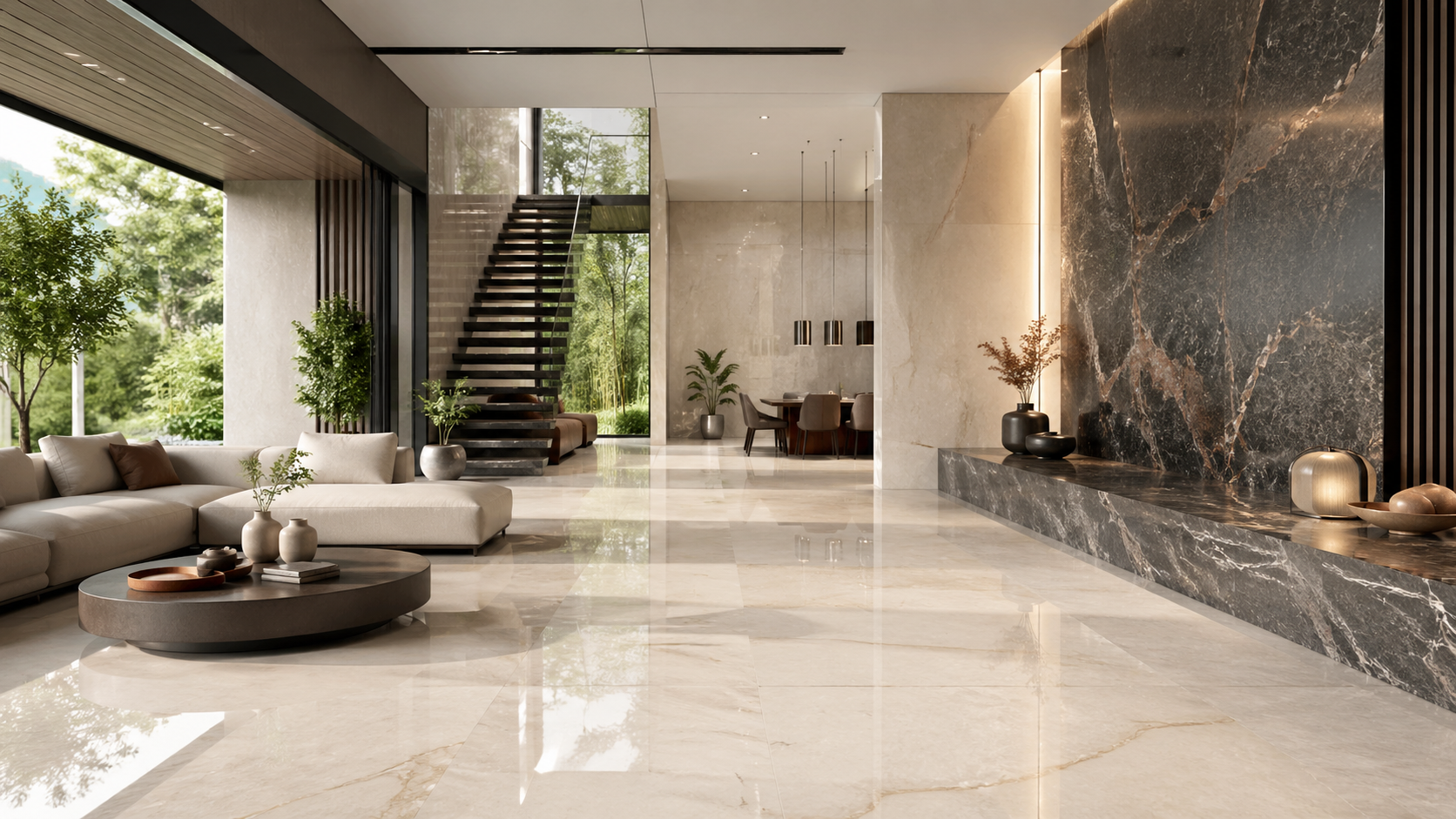
Sodiceram is emerging as a modern solution in the world of construction and interior design, where durability, beauty, and efficiency are equally important. It represents a refined category of ceramic material that integrates sodium-based compounds to enhance performance. As industries continue to evolve, materials like sodiceram are becoming increasingly popular due to their ability to meet both functional and aesthetic demands without compromising quality.
It is important to approach sodiceram with a balanced perspective. While it offers impressive strength, low porosity, and advanced finishing options, it is not without limitations. Understanding both the positive and negative aspects allows homeowners, builders, and designers to make informed decisions. This article explores sodiceram in depth, using clear and natural language that supports both human understanding and search engine relevance.
Quick Bio
| Attribute | Details |
|---|---|
| Material Type | Advanced ceramic |
| Key Feature | Low porosity and high strength |
| Common Uses | Flooring, walls, countertops |
| Durability | High |
| Maintenance | Easy |
| Cost Level | Moderate to high |
What is Sodiceram
Sodiceram is a type of engineered ceramic material that incorporates sodium compounds into its composition during manufacturing. These compounds play a critical role in improving how the material behaves under high temperatures, leading to a denser and more durable final product. Unlike traditional ceramics, which can sometimes be porous and prone to wear, sodiceram is designed to overcome these weaknesses through enhanced bonding and structural integrity.
This material is widely associated with modern construction trends where long-lasting surfaces are required. Whether used in flooring, wall cladding, or decorative elements, sodiceram delivers a combination of strength and style. However, it is important to note that the term itself is often used broadly, meaning that quality and performance can vary depending on the manufacturer and production standards.
Composition and Manufacturing Process
Raw Materials and Structure
The composition of sodiceram typically includes clay, silica, feldspar, and carefully measured sodium-based additives. These elements work together to create a balanced material that performs better than conventional ceramic options. The sodium compounds act as a flux, reducing the temperature required for fusion and helping the particles bond more effectively.
This improved bonding results in a compact internal structure with fewer pores. The reduced porosity enhances strength and resistance to external factors such as moisture and pressure. As a result, sodiceram is often categorized alongside advanced ceramic materials and high-performance tiles.
High Temperature Processing
During the manufacturing process, the material is subjected to extremely high temperatures. The presence of sodium allows the mixture to melt and fuse more efficiently, creating a smooth and dense surface. This process is crucial in determining the final quality of the product, as it directly impacts durability and resistance.
After firing, the material may undergo additional treatments such as polishing, glazing, or digital printing. These finishing processes not only enhance the appearance but also improve surface performance, making sodiceram suitable for a wide range of applications.
Key Features of Sodiceram
Strength and Longevity
One of the most notable characteristics of sodiceram is its exceptional strength. The dense structure formed during the manufacturing process makes it highly resistant to cracking, chipping, and wear. This durability ensures that surfaces remain intact even under heavy use, making it a reliable choice for both residential and commercial spaces.
The long lifespan of sodiceram also contributes to its value. While the initial cost may be higher than standard ceramic materials, the reduced need for repairs and replacements makes it a cost-effective option in the long run.
Low Porosity and Water Resistance
Sodiceram is known for its extremely low water absorption rate, which is a significant advantage in environments exposed to moisture. Bathrooms, kitchens, and outdoor areas benefit greatly from this feature, as it prevents water from penetrating the surface and causing damage.
This resistance to moisture also helps maintain hygiene by reducing the risk of mold and bacterial growth. As a result, sodiceram surfaces are easier to clean and maintain, making them ideal for modern living spaces.
Thermal and Chemical Stability
Another powerful benefit of sodiceram is its ability to withstand high temperatures and chemical exposure. This makes it suitable for use in kitchens, laboratories, and industrial environments where materials are often subjected to extreme conditions.
The stability of sodiceram ensures that it retains its shape, color, and structural integrity over time. This reliability adds to its appeal as a high-performance material in demanding applications.
Visual Appeal and Design Versatility
Sodiceram offers a wide range of design possibilities, allowing it to mimic natural materials such as stone, marble, and wood. The smooth surface and advanced finishing techniques create a polished and sophisticated look that enhances any space.
This aesthetic flexibility makes sodiceram a preferred choice for architects and interior designers. It allows them to achieve modern, elegant designs without compromising on durability or functionality.
Applications of Sodiceram
Sodiceram is widely used in various areas of construction and design due to its versatility and performance. In residential settings, it is commonly used for flooring, wall tiles, kitchen countertops, and bathroom surfaces. Its resistance to moisture and wear makes it particularly suitable for spaces that experience frequent use.
In commercial environments, sodiceram is used in offices, shopping centers, and public buildings where durability is essential. It is also used in industrial settings where resistance to heat and chemicals is required. This wide range of applications highlights the adaptability of sodiceram as a modern construction material.
Advantages and Disadvantages
Positive Aspects
Sodiceram offers several advantages that make it stand out in the market. Its high strength and durability ensure long-term performance, while its low porosity provides excellent resistance to water and stains. The material is also easy to maintain, making it a practical choice for busy environments.
Additionally, sodiceram’s aesthetic appeal allows it to enhance the visual quality of any space. Its ability to replicate natural textures and finishes makes it a versatile option for both traditional and modern designs.
Negative Considerations
Despite its many benefits, sodiceram also has some drawbacks that should be considered. The lack of standardization means that product quality can vary, making it important to verify specifications before purchasing. In some cases, the surface can be slippery, especially when polished, which may require additional safety measures.
Another limitation is the higher initial cost compared to traditional ceramic materials. While the long-term benefits often justify the investment, it may not be suitable for all budgets.
SEO and Semantic Relevance of Sodiceram
From a digital perspective, sodiceram is becoming an important keyword in the construction and design industry. Related terms such as advanced ceramic tiles, high-density ceramics, low porosity tiles, and durable flooring materials are often associated with it. Using these related keywords naturally within content helps improve search engine visibility without resorting to keyword stuffing.
Semantic optimization also involves creating content that answers user intent clearly and effectively. By providing detailed and accurate information, content about sodiceram can rank higher on search engines and reach a wider audience.
Read More: Kevin Von Erich Wife: The Inspiring Yet Untold Story of Strength, Love, and Quiet Resilience
Conclusion
Sodiceram represents a powerful advancement in ceramic technology, offering a combination of strength, durability, and visual appeal that meets the demands of modern construction. Its ability to resist moisture, heat, and wear makes it a reliable choice for a wide range of applications, from residential interiors to commercial and industrial spaces.
It is essential to approach sodiceram with a balanced understanding of its advantages and limitations. By carefully evaluating product quality and suitability, users can make informed decisions that maximize the benefits of this innovative material. In the evolving world of design and construction, sodiceram stands as a promising solution that blends performance with style.
FAQ
What makes sodiceram different from regular ceramic
Sodiceram differs from regular ceramic due to the inclusion of sodium compounds, which enhance its density, strength, and resistance to water and wear.
Is sodiceram suitable for outdoor use
Yes, sodiceram is suitable for outdoor use because of its low porosity and resistance to environmental conditions, making it durable in various climates.
Does sodiceram require special maintenance
Sodiceram does not require special maintenance, as its surface resists stains and moisture, making it easy to clean with standard methods.
Is sodiceram expensive
Sodiceram can be more expensive than traditional ceramic materials, but its durability and low maintenance often make it a cost-effective choice over time.
Can sodiceram be used in kitchens and bathrooms
Yes, sodiceram is ideal for kitchens and bathrooms due to its resistance to water, heat, and chemicals, ensuring long-lasting performance.